
In a recent segment of Brooks and Marcus, David Brooks of The Atlantic and Ruth Marcus of The New Yorker sat down with journalist John Yang to diagnose a growing sickness in the American capital: a complete disconnect between the legislative process and the needs of the people. (BTPM PBS)
The conversation centered on the recent collapse of the deal to end the partial government shutdown. David Brooks didn’t mince words, describing the internal friction within the House GOP as “untenable performance art.”
He noted that for a small but vocal faction, the ideological “purity” of a shutdown has become more valuable than the actual function of governing.
The Fallout
When Congress treats national crises like a stage play, the real-world consequences are immediate and damaging.
- Essential Services Stalled: TSA lines are overflowing, and federal employees are facing missed paychecks without a safety net to fall back on.
- Federal Employee Hardship: Workers are facing missed paychecks without a financial safety net.
- Global Instability: As the conflict in Iran continues, Ruth Marcus pointed out that a gridlocked Congress sends a message of weakness and volatility to the rest of the world.
- Voter Cynicism: Public patience snaps when economic pain–sky-high gas prices and shrinking 401ks–meets a stagnant Congress. The public is tired of watching Washington posture while they suffer.
Term Limits: The Path Beyond “Performance Art”
While Brooks and Marcus focused on the immediate political friction, many analysts suggest that the “restlessness” they described is a symptom of a deeper structural issue: incumbency.
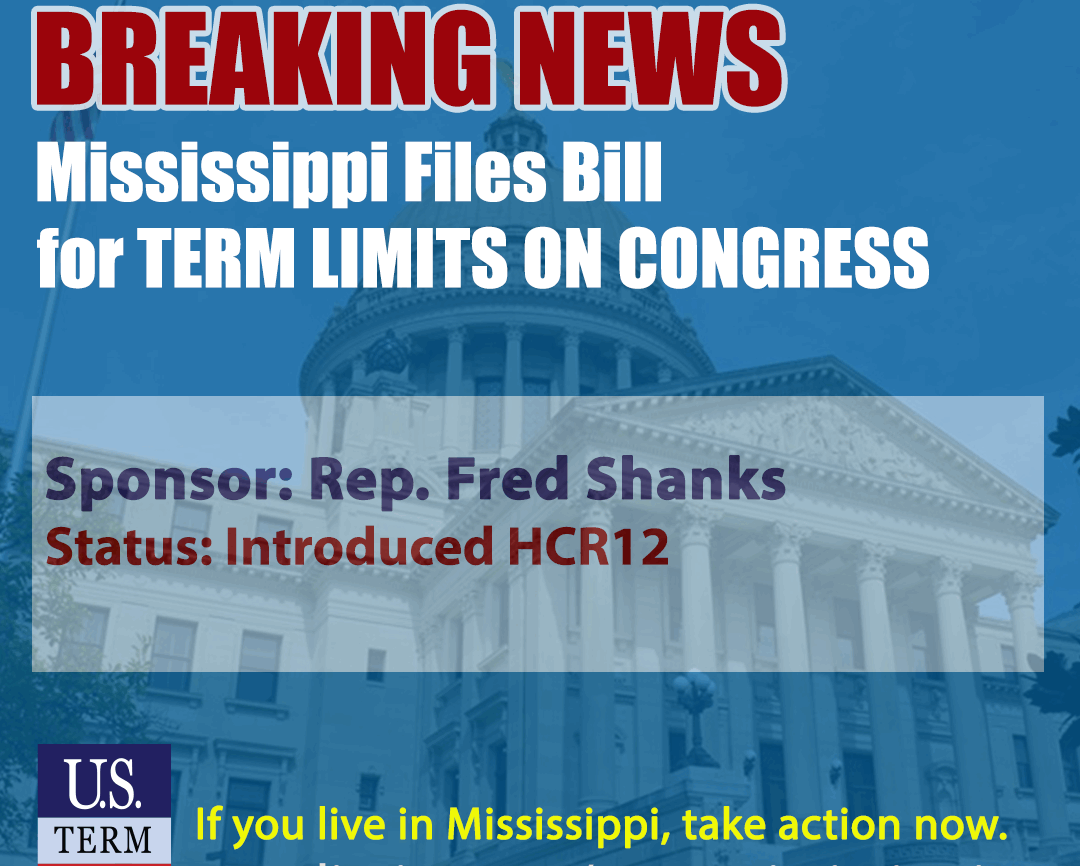
One of the most discussed solutions to stop this perpetual gridlock is the implementation of congressional term limits. Here is how they could fundamentally change the dynamics, replacing “performance art” with governance and a commitment to service.
- Shifting the Focus: When politicians are focused on a 20-year career, they often prioritize short-term political posturing to satisfy donors and activists. Term limits would shift the focus from getting re-elected to getting things done within a finite window of time.
- Infusing New Ideas: Gridlock often stems from old grudges and entrenched partisan battle lines. Term limits would ensure a steady rotation of fresh perspectives, preventing the “untethered” internal dynamics mentioned by Brooks.
- Merits Over Posturing: Currently, the “purity tests” David Brooks described are effective because incumbents are terrified of primary challenges. If a representative knows their time is limited, they are more likely to vote based on the merits of a deal rather than the fear of a primary campaign flyer.
The Verdict
As Ruth Marcus noted, the American voter is currently looking at their financial statements and seeing red. The message from the public is clear: The era of acceptable gridlock is over.
Washington must move past performance and commit to true service.
“The question is no longer if we can fix the system, but how much damage will be done before the system is forced to fix itself.”